Haydee Rawat

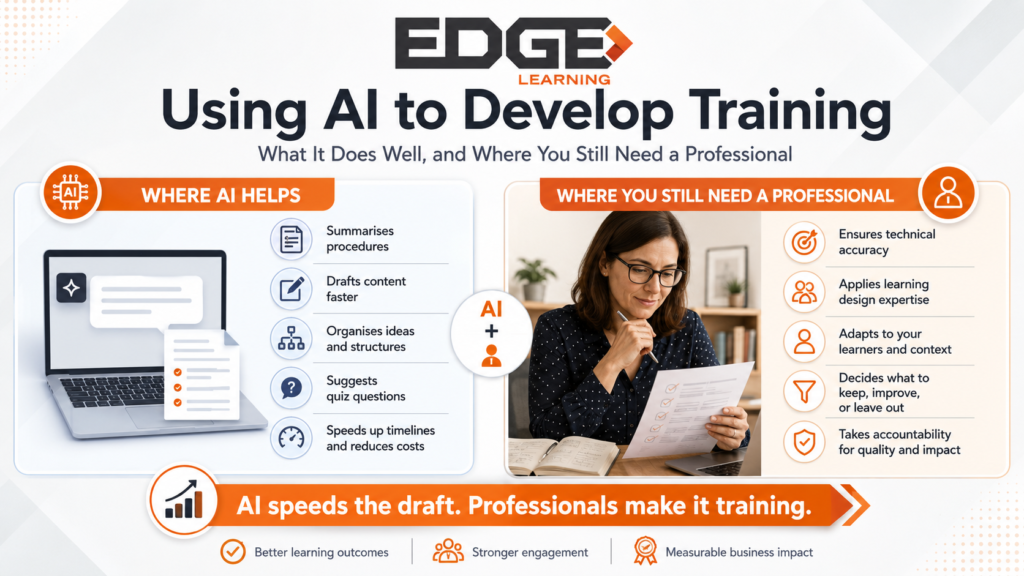
Using AI to Develop Training: What It Does Well, and Where You Still Need a Professional

AI has changed how quickly training content can be drafted. What used to take days of writing can now be produced in an afternoon, and plenty of organisations are experimenting with it for their own training. Used well, it is a real asset. But there is a growing assumption that AI can now do the […]

Using AI to Develop Training: What It Does Well, and Where You Still Need a Professional Read More »
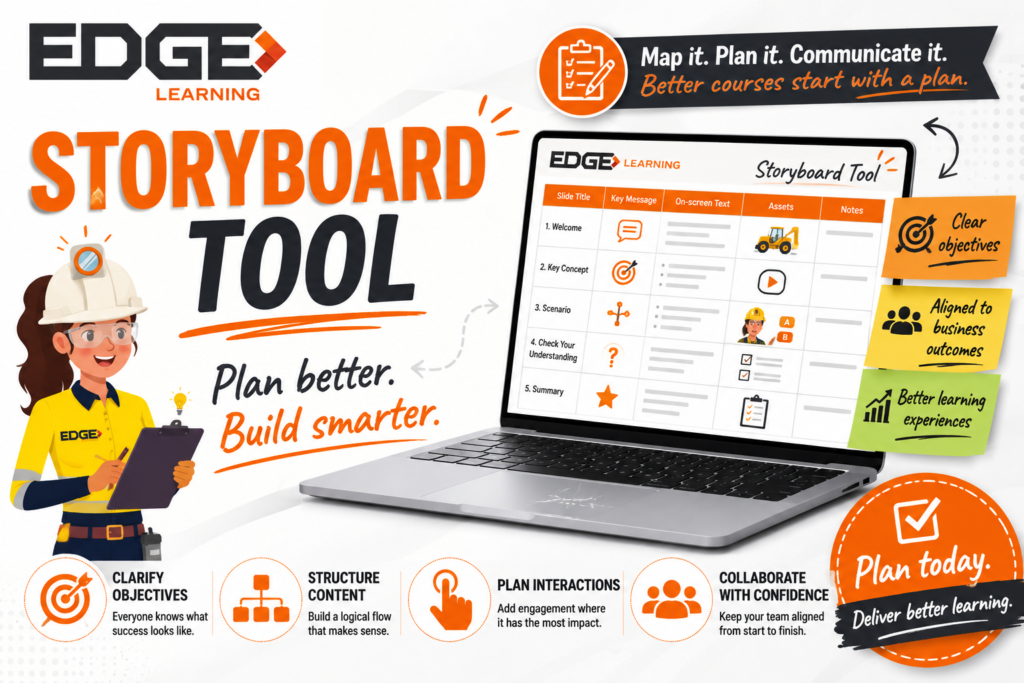
Why We Use a Storyboard for Course Creation, and How to Get the Most From Ours

Download Storyboard Tool Here! A storyboard is one of those tools that determines whether a course feels coherent or feels like a pile of slides someone strung together, and badly. Most of the courses we’ve seen go off the rails, lost their way in the planning stages (or the lack of planning stages), before the build even started.  If you have

Why We Use a Storyboard for Course Creation, and How to Get the Most From Ours Read More »

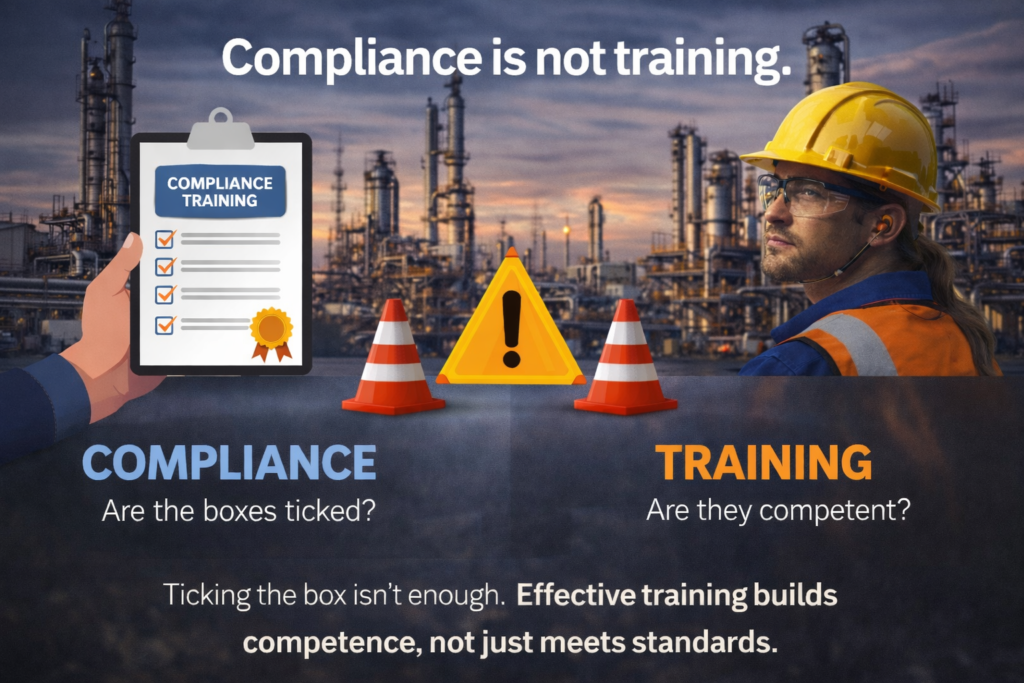
Compliance is not training

Compliance is essential in the resource industry — but it’s only the starting point. When training is designed just to “tick the box,” it often becomes overloaded, unclear, and quickly forgotten.  Compliance asks:  Have we covered the required topics?  Have workers completed the induction?  Is it documented?  Effective training asks:  Do they understand the risks?  Can they recognise

Compliance is not training Read More »

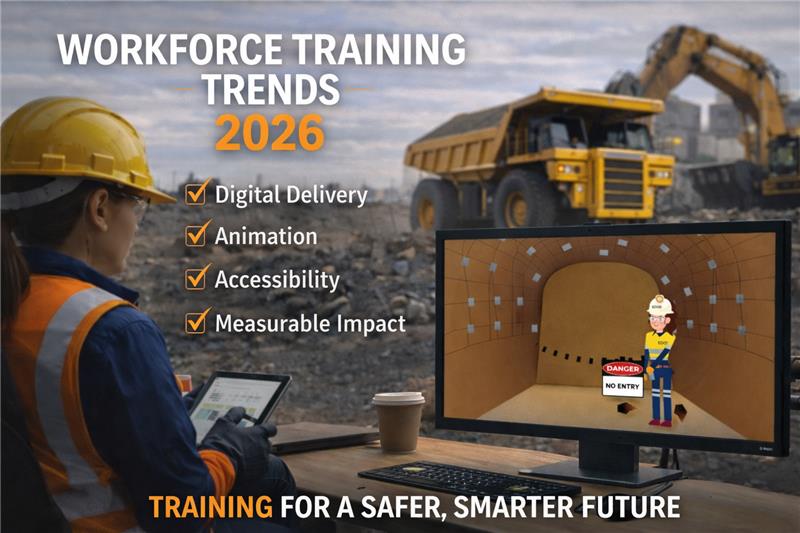
Workforce Training Trends 2026

Digital delivery. Animation. Accessibility. Measurable impact. Workforce training in the resource industry is changing — and it needs to. The old model of long PowerPoint inductions, overloaded compliance slides, and “tick-the-box” completion certificates simply isn’t enough anymore. Not when safety standards are rising. Not when workforce mobility is increasing. And not when leadership teams are

Workforce Training Trends 2026 Read More »

Online Learning concept

Crafting Engaging and Effective eLearning Courses: A Guide to Best Practices

The success of an eLearning program depends not only on the quality of content but also on the design and delivery of the courses. These are the three most important: 1. Keep It Short and Sweet: Maximum 15 Minutes per Course One of the fundamental principles of eLearning design is to keep the courses concise

Crafting Engaging and Effective eLearning Courses: A Guide to Best Practices Read More »

Scroll to Top